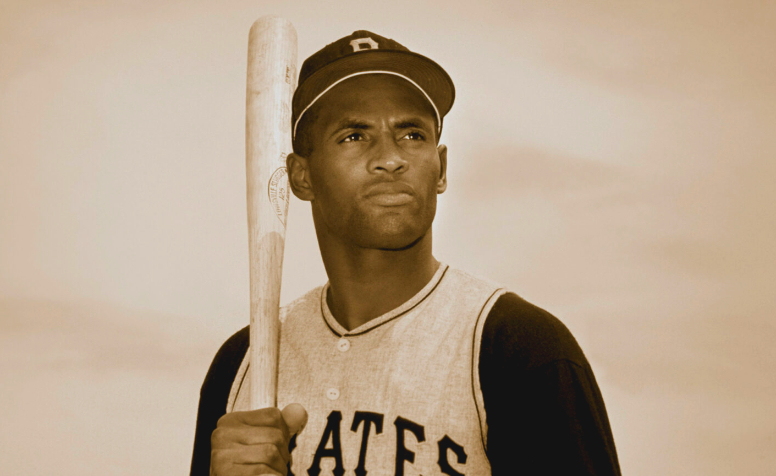
On April 6, 1973, the Pittsburgh Pirates opened their season with an emotional 7–5 victory over the St. Louis Cardinals at Three Rivers Stadium, in the midst of a day highlighted by a pregame ceremony retiring Roberto Clemente’s No. 21 following his death on New Year’s Eve 1972. The Pirates rallied from a 5–0 deficit to win.
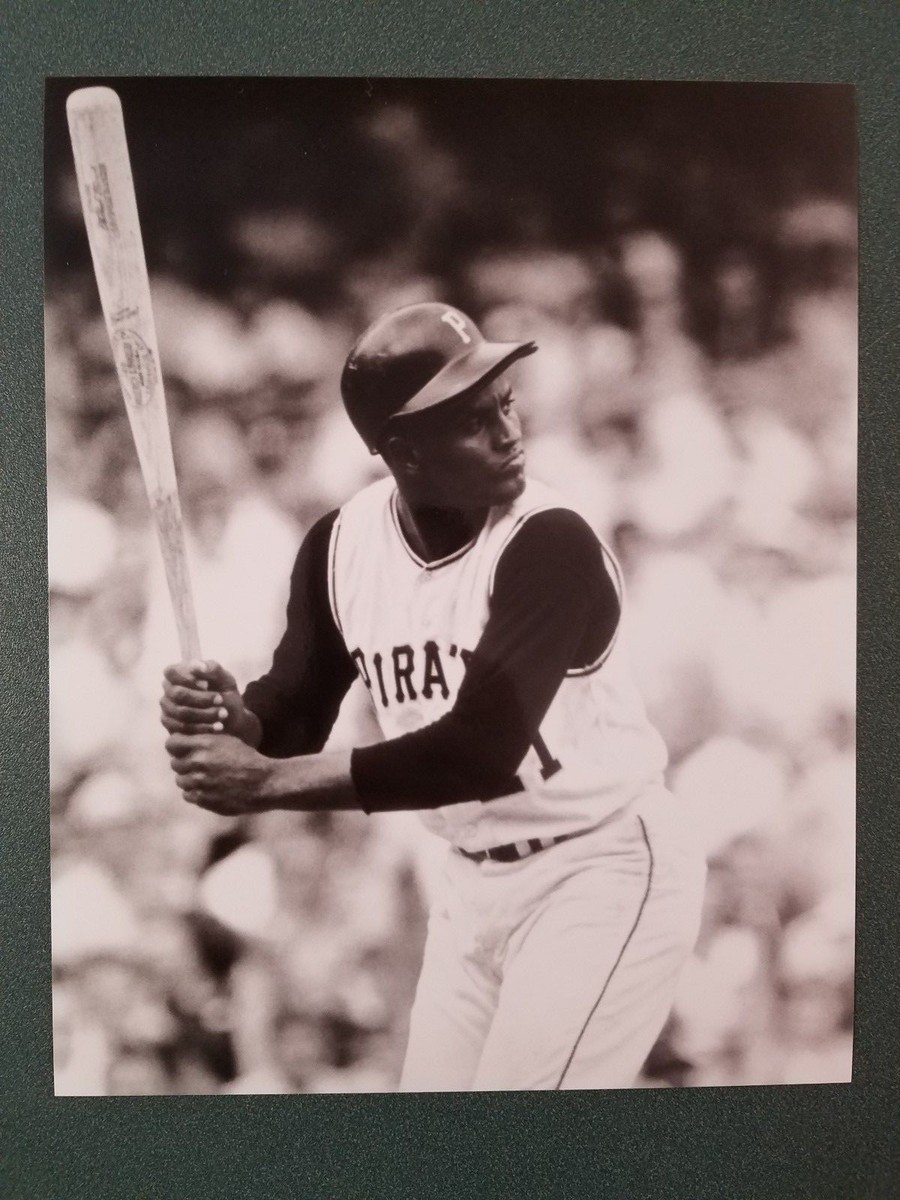
It was a moment that felt larger than baseball. The ceremony did not simply honor a Hall of Fame outfielder—it memorialized a man whose life transcended the game and whose loss still felt impossibly fresh.
Clemente’s career with Pittsburgh was one of sustained brilliance and unmistakable flair.
A 15-time National League All-Star and 12-time Gold Glove winner, he combined grace with power, finishing with exactly 3,000 hits… a milestone he reached in his final regular-season at-bat in 1972.
His arm in right field was legendary, his swing as smooth as it was violent, and his pride in representing Puerto Rico never wavered. In an era when Latin American players often faced prejudice and misunderstanding, Clemente stood tall, insisting on dignity—not just for himself, but for others who would follow.
Yet statistics, as remarkable as they are, only frame part of his story.
Clemente’s humanitarian efforts defined him just as much as his accomplishments on the field. He spent offseasons delivering aid to Latin American countries, often quietly and without fanfare.
When a devastating earthquake struck Nicaragua in December 1972, Clemente organized relief shipments—but when he learned that supplies were being diverted by corrupt officials, he chose to accompany the next flight himself to ensure the aid reached those in need.
On December 31, 1972, that decision turned tragic. The overloaded cargo plane he boarded in San Juan crashed shortly after takeoff into the Atlantic Ocean. There were no survivors. He was 38 years old.
Baseball, and the world beyond it, mourned deeply. Clemente became the first Latin American player inducted into the Hall of Fame, with the customary waiting period waived in recognition of his extraordinary life and legacy.
On April 6, 1973, as his number was raised into permanence in Pittsburgh, the game that followed almost felt secondary. That’s because, in the end, Roberto Clemente left behind more than numbers or highlights. He left a standard of excellence, of compassion, and of purpose that continues to resonate long after his final swing.
 The Sidearmer