As America had entered the 21st century, ‘catch-as-catch-can’ wrestling dominated the sporting landscape, with the very real-life rivalry between the American grappler and the Russian powerlifter taking center stage
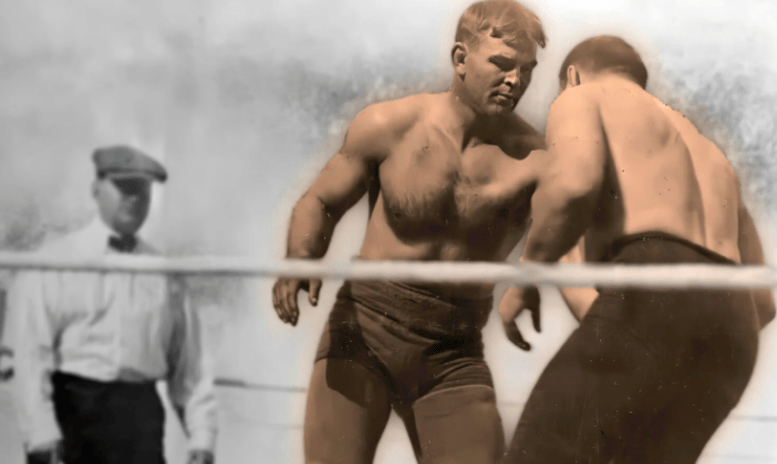
On April 3, 1908, the world of professional wrestling witnessed one of its most symbolic passing-of-the-torch moments—though not in the way fans might assume. George Hackenschmidt, already a global icon known as “The Russian Lion,” squared off against a rising grappler, Karl Gotch, in a match billed for the world championship.
Hackenschmidt entered the bout as the embodiment of early wrestling dominance. With his imposing physique, disciplined training methods, and legitimacy as a catch wrestler, he helped elevate the sport from carnival attraction to something closer to organized competition.
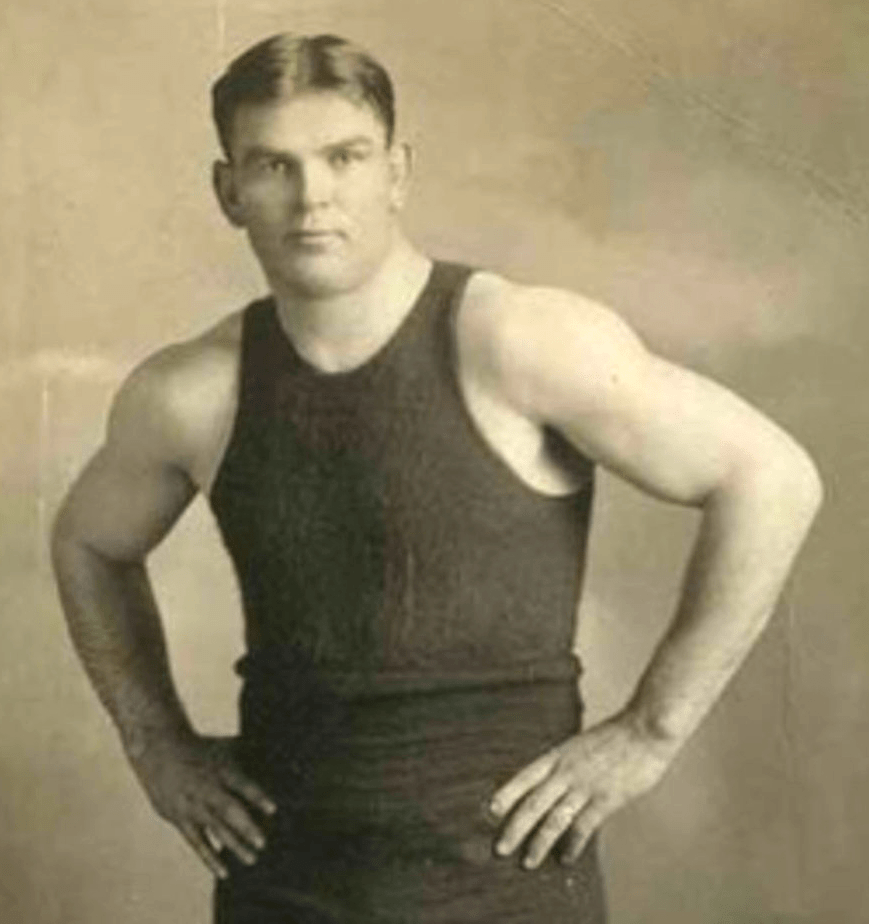
By 1908, however, the wrestling landscape was shifting. Crowds were growing, money was increasing, and promoters were beginning to recognize the value of spectacle alongside sport.
The match itself, while officially contested for championship recognition, exists in a somewhat murky historical space. Records from the era are inconsistent, and some accounts blur the line between legitimate competition and arranged outcomes. Hackenschmidt, already carrying the wear of years at the top, faced a younger opponent in Gotch, whose style emphasized control, leverage, and psychological pressure.
What unfolded was less a definitive athletic contest and more a reflection of wrestling’s transitional identity. Gotch emerged victorious, signaling not just a personal triumph but the rise of a new archetype in professional wrestling—the tactician who could blend realism with performance. Hackenschmidt’s loss marked the beginning of the end of his reign as the sport’s most dominant figure, though his legacy as a pioneer remained secure.
 The Sidearmer