Vince McMahon’s vision of pro football as a form of sports entertainment came in with a lot of fanfare, but eventually got slammed by bad decisions and viewer apathy
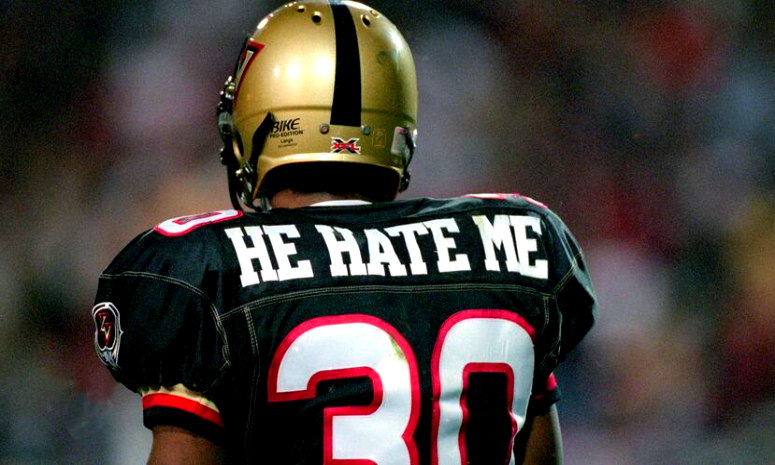
By Ryan K Boman | March 28, 2026
For years, the National Football League has set the standard as the premier sports organization in American professional sports. The massive success of the Super Bowl and the marketability of the game have only expanded its horizons, as it has surpassed the other ‘Big Three Leagues’ (the NFL, NHL, and Major League Baseball) in overall appeal.
However, in 2001, a visionary from another industry in athletics looked to step outside the status quo. He wanted to challenge the notion that no one could compete with the juggernaut known as the NFL. That man was Vincent K. McMahon, the mercurial owner and creative force behind World Wrestling Entertainment (known as the WWF at the time). After conquering so many foes in the business of brawling, the old carnival barker looked to battle his biggest competition yet.
Alongside McMahon’s longtime ally, Dick Ebersol, and the NBC Network, the league promised a faster, edgier alternative to the National Football League. It leaned hard into spectacle—sideline access, unconventional camera angles, and a tone that blurred the line between sport and entertainment.
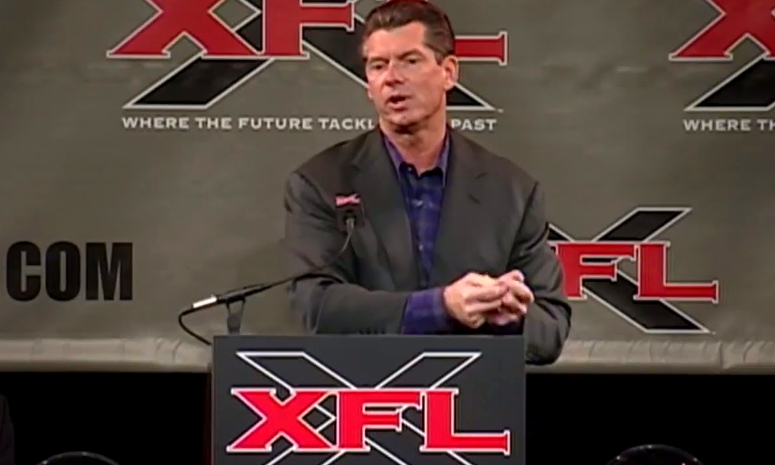
And at first, it worked.
The opening weekend delivered massive ratings, fueled by aggressive promotion and sheer curiosity. Fans tuned in to see whether this new brand of football—complete with a no-coin-toss scramble for possession and different broadcast presentation standards—could carve out its own niche. The season would begin in April 2001, and for a moment, it felt like something different, something potentially sustainable. The league’s teams, from the Las Vegas Outlaws to the New York/New Jersey Hitmen, had identities, and the product on the field, while uneven, was at least unpredictable.
The bottom line? The games were boring, and viewership, which began sky-high, dropped sharply within weeks. At the same time, the league was facing an identity crisis when it came to the mainstream audience. Was it serious football, or was it entertainment masquerading as sport?
In trying to be both, it was never fully satisfying for either audience. Traditional football fans grew frustrated with the theatrics, while casual viewers lost interest once all the ‘shock-for-shock’s-sake’ proved to be embarrassing. Advertisers soon followed suit. And what was once a novel concept quickly devolved into a pro sports pariah.
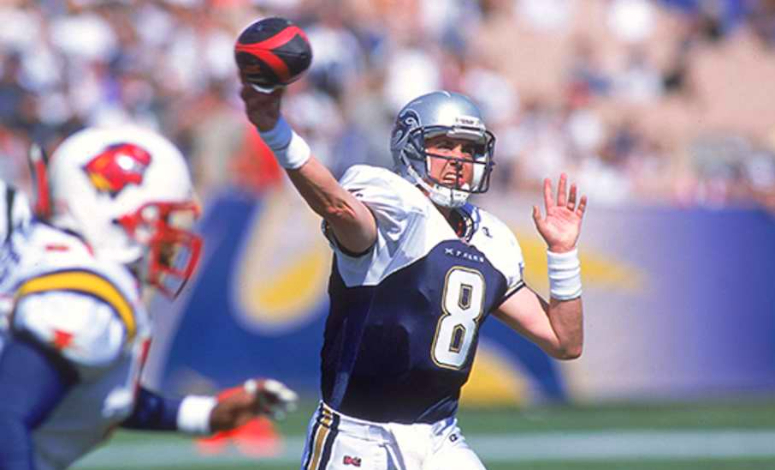
However, the cracks formed quickly, and what began as innovative was eventually exposed as a sports sideshow. The emphasis on sensationalism—on-field microphones capturing trash talk, suggestive camera shots, and a wrestling-style presentation—often overshadowed the football itself. As the novelty wore off, viewers were left with a product that struggled to match the quality of established leagues. Offensive execution was inconsistent, quarterback play was erratic, and the overall level of competition fell short of expectations.
By the time the championship game arrived—won by the Los Angeles Xtreme—the initial buzz had long dissipated. Financial losses mounted, and confidence from partners eroded. Within months, the league folded, its lone season becoming a case study in overhype and underdelivery.
After the original XFL collapsed, the brand sat dormant for nearly two decades before being revived—and reshaped—through a series of ownership changes.
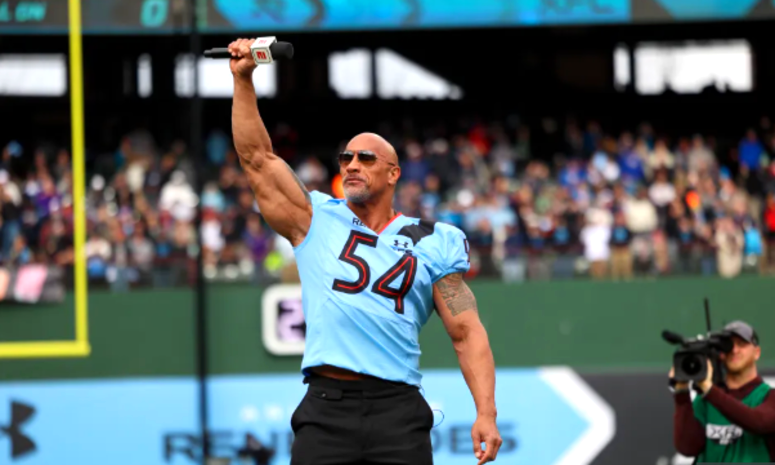
In 2020, Vince McMahon relaunched the league under the umbrella of WWE, this time with a more football-focused presentation. Early reviews were strong, and the product had certainly shown improvement in its second life. However, the season was abruptly cut short due to the COVID-19 pandemic, which forced the league into bankruptcy.
Later in 2020, a group led by one of McMahon’s former wrestling stars, Dwayne ‘The Rock’ Johnson, along with his ex-wife and business partner, Dany Garcia, and an investment firm named RedBird Capital Partners, purchased the XFL’s assets for about $15 million. Under this new ownership, the vision shifted again. In this incarnation, it would be less about spectacle and more about sustainability, player opportunity, and innovation within the structure of professional football. It would merge with the United States Football League to form the modern-day United Football League.
 The Sidearmer